

GENERAL DENTISTRY
TMJ Treatment in Newbury Park, CA
A thoughtful evaluation of jaw discomfort, bite-related symptoms, and muscle function to determine what type of care may be appropriate.
Assessment comes before any appliance, looking at the joints, muscles, and bite together so that treatment addresses what is actually driving the symptoms.

Modern Dentistry, Beautifully Personal

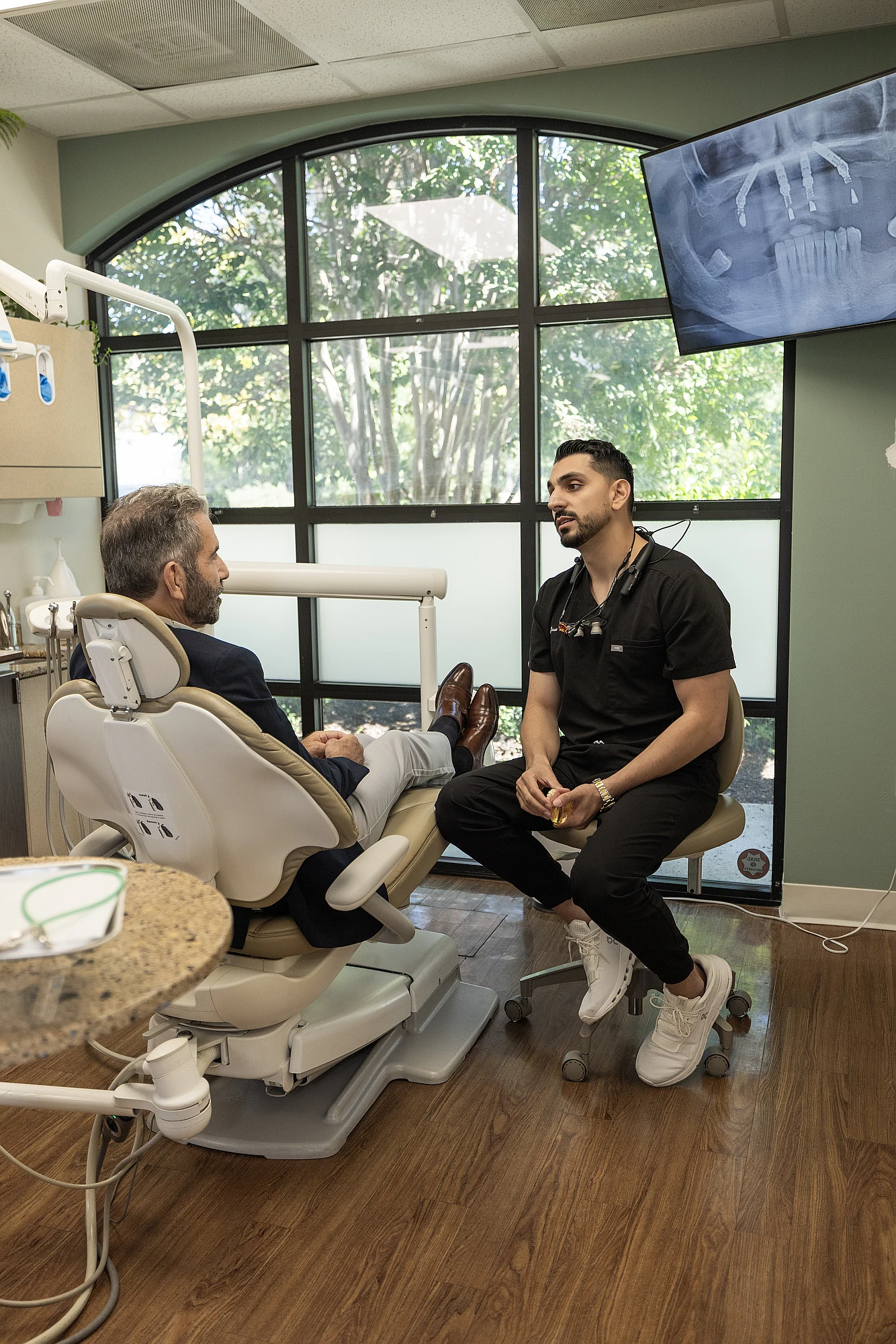
TMJ Treatment at Newbury Park Dental Arts
TMJ disorders involve the jaw joints, muscles, and surrounding structures. Symptoms can overlap with headaches, tooth wear, muscle tension, or other medical conditions, so treatment should begin with a careful evaluation rather than a one-size-fits-all appliance.
What TMJ Treatment Can Address
- Jaw joint pain or tenderness
- Clicking, popping, or limited jaw movement
- Muscle tension associated with clenching or grinding
- Tooth wear or bite-related concerns that may contribute to symptoms
Why TMJ Treatment May Be Recommended
- Evaluation considers the joints, muscles, teeth, and bite together.
- Conservative care may be appropriate before more involved treatment is considered.
- Dental records can help track bite and tooth-wear changes over time.
What to Expect With TMJ Treatment
Discuss symptoms, triggers, duration, and prior treatment
Examine jaw movement, muscles, teeth, and bite
Recommend conservative care, an appliance, further imaging, or referral based on findings
Technology that may support care: Digital Dentistry and 3D Imaging when indicated.
Who May Be a Candidate for TMJ Treatment?
You may be a candidate if you have a concern such as jaw joint pain or tenderness, clicking, popping, or limited jaw movement, muscle tension associated with clenching or grinding, or tooth wear or bite-related concerns that may contribute to symptoms. Candidacy also depends on the health of the teeth and gums, the amount and quality of supporting tooth or bone structure, your bite, medical considerations, and whether the expected benefit justifies treatment.
TMJ Symptoms Can Have More Than One Cause
Jaw discomfort is not always caused by the same problem. Muscle overuse, clenching, joint inflammation, arthritis, trauma, bite changes, and other conditions can produce overlapping symptoms. A careful diagnosis helps avoid treating the wrong source of pain.
A Conservative, Individualized Approach
Many TMJ treatment plans begin with conservative measures and monitoring. Depending on the findings, recommendations may include behavior changes, an oral appliance, coordination with another healthcare provider, or additional evaluation. Our clinical focus includes TMJ treatment and airway dentistry.
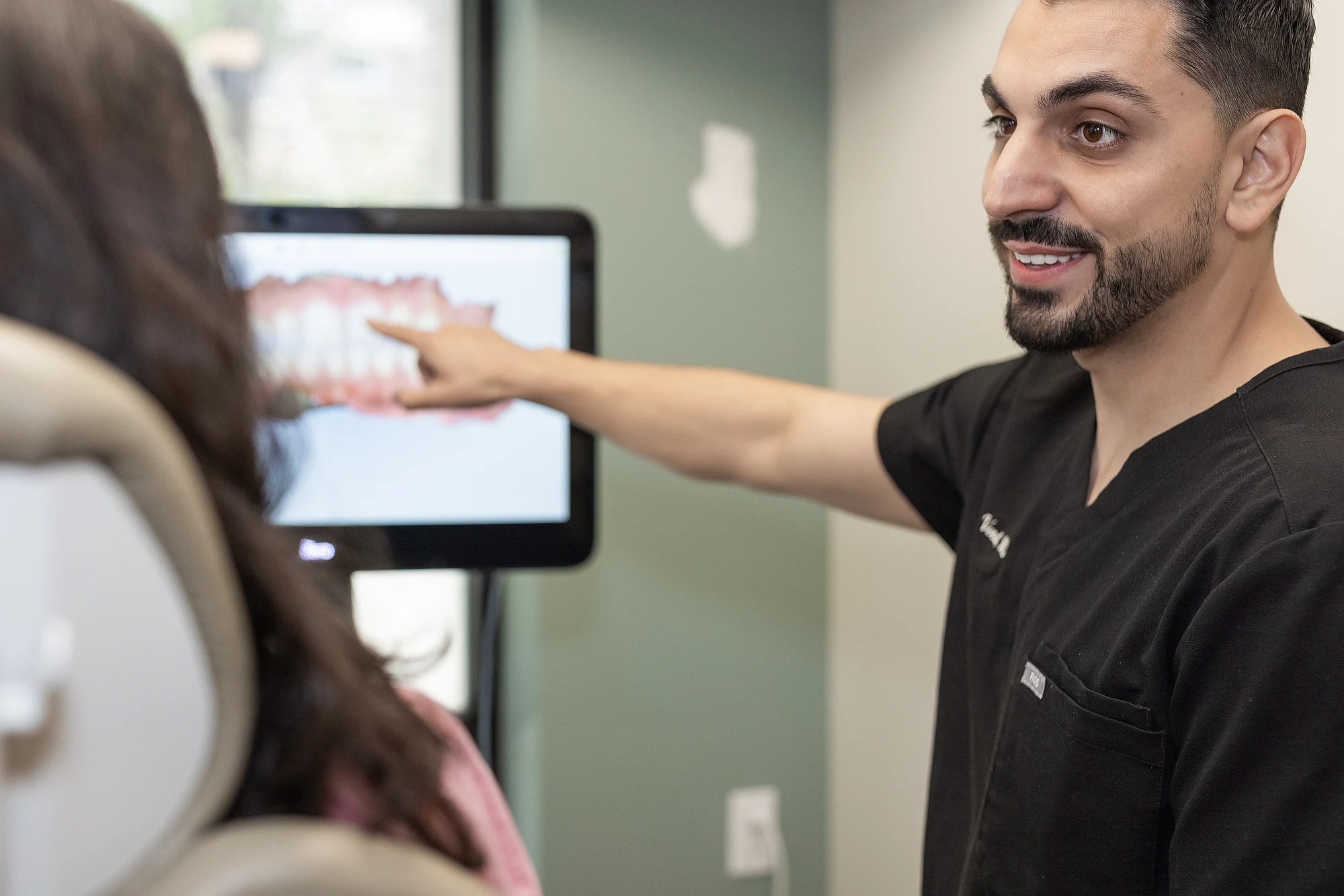
TMJ Treatment FAQ
- What is tmj treatment?
- TMJ disorders involve the jaw joints, muscles, and surrounding structures. Symptoms can overlap with headaches, tooth wear, muscle tension, or other medical conditions, so treatment should begin with a careful evaluation rather than a one-size-fits-all appliance.
- How do I know if I may need tmj treatment?
- A dental evaluation is the best way to decide. TMJ Treatment may be considered for concerns such as jaw joint pain or tenderness, clicking, popping, or limited jaw movement, muscle tension associated with clenching or grinding. The recommendation depends on examination findings, imaging when appropriate, oral health, and treatment goals.
- Is tmj treatment uncomfortable?
- Comfort measures depend on the procedure. Local anesthesia is used when treatment involves sensitive tooth or gum tissue, and the dental team can discuss what sensations and recovery are typical for your specific plan.
- How long does tmj treatment take?
- Timing varies with the number of teeth or areas involved, the complexity of the case, and whether treatment is completed in one visit or multiple stages. After an evaluation, the dental team can outline the expected sequence and appointment length.
- What follow-up is needed after tmj treatment?
- Follow-up depends on the condition being treated and how the tissues respond. The dental team may recommend a recheck, maintenance visit, additional imaging, or another phase of care based on healing and long-term risk.
- Why schedule a consultation for tmj treatment in Newbury Park?
- A local consultation allows the dentist to evaluate the specific concern, review appropriate imaging or digital records, and explain options that fit your oral health and priorities. Treatment should be based on your individual findings rather than a generic recommendation.
Have Questions About TMJ Treatment?
Schedule a consultation to discuss your concerns, review your options, and determine whether tmj treatment is appropriate for you.