

RESTORATIVE
Dental Crowns in Newbury Park, CA
Custom full-coverage restorations designed to strengthen compromised teeth while restoring comfortable function and a natural appearance.
A crown is considered when what remains of the tooth needs full coverage, with the material and shade chosen to suit that tooth’s position and the work it has to do.

Modern Dentistry, Beautifully Personal

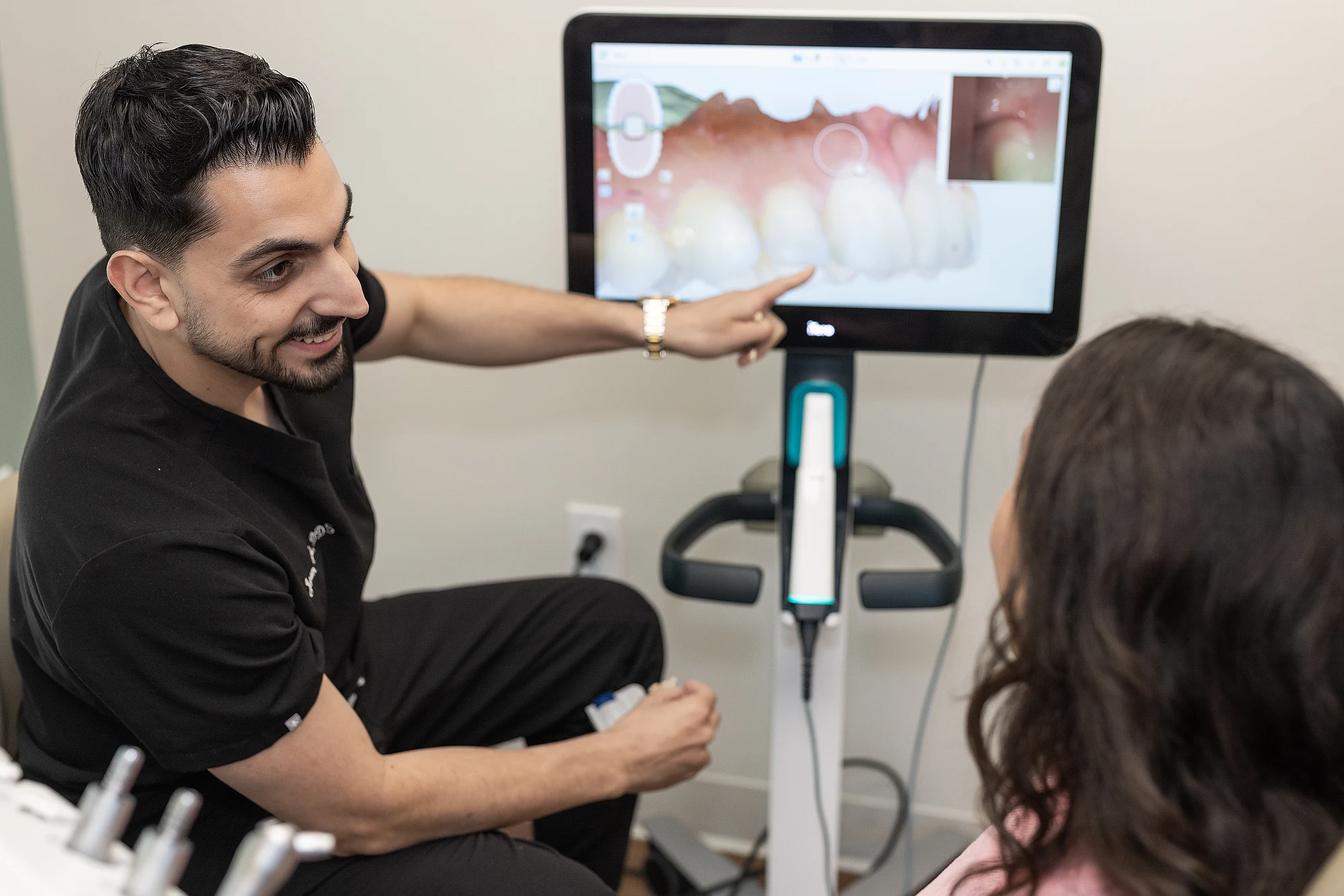
Dental Crowns at Newbury Park Dental Arts
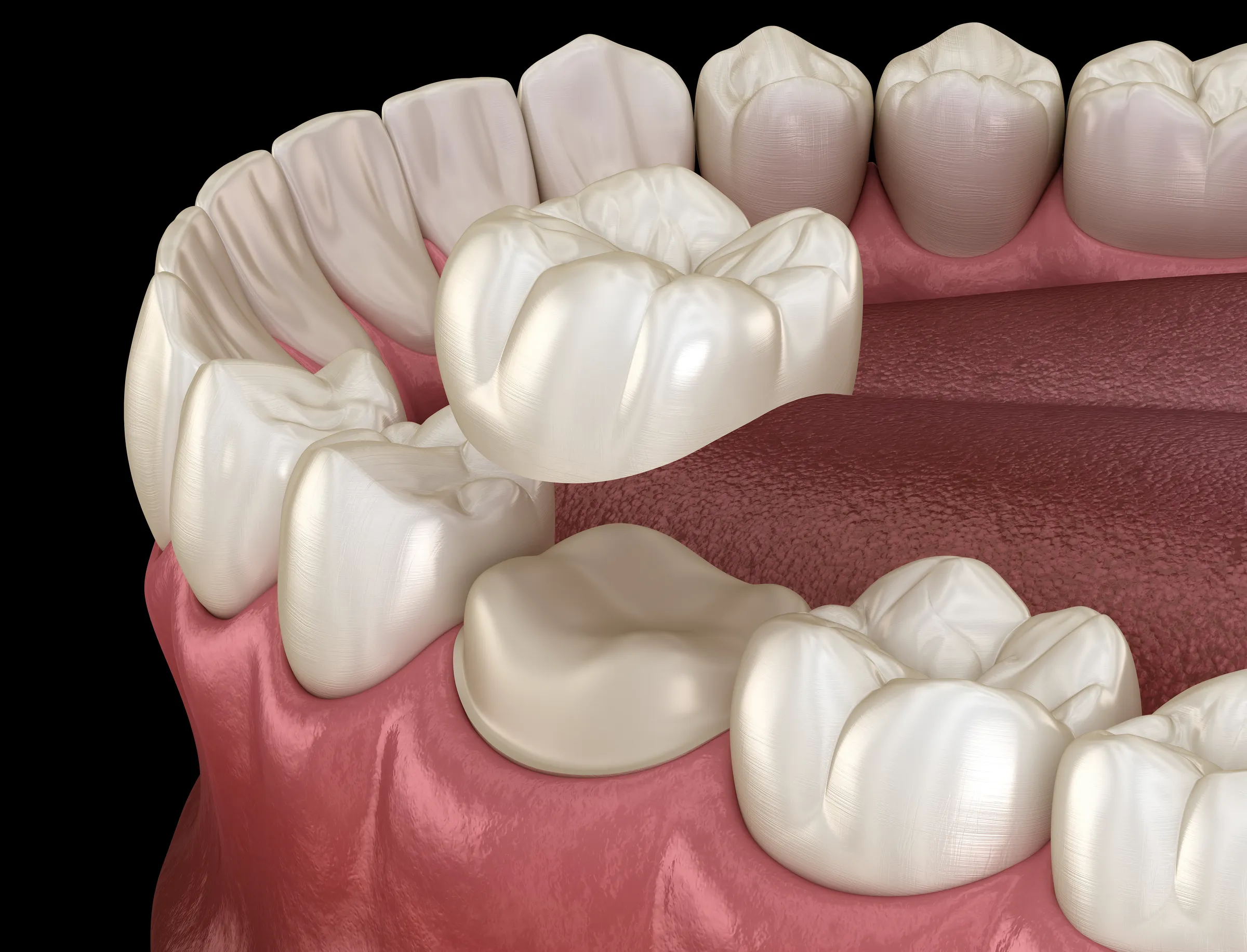
A dental crown covers the visible portion of a tooth when the remaining structure needs more protection than a filling or bonding can provide. Crowns may be used after extensive decay, fracture, root canal treatment, significant wear, or to replace an older restoration that is no longer serviceable.
What Dental Crowns Can Address
- Teeth weakened by large fillings or decay
- Fractured or heavily worn teeth
- Teeth that need full coverage after root canal treatment
- Older crowns that have fractured, leaked, or no longer fit well
Why Dental Crowns May Be Recommended
- Provides full coverage for a structurally compromised tooth.
- Restores tooth shape, bite contact, and chewing function.
- Modern materials can be selected to balance strength and appearance.
What to Expect With Dental Crowns
Remove damaged tooth structure and prepare the tooth for coverage
Take a digital scan or impression and place a temporary crown when needed
Evaluate fit, bite, contacts, and appearance before the final crown is secured
Technology that may support care: Digital Impressions and Intraoral Cameras.
Who May Be a Candidate for Dental Crowns?
You may be a candidate if you have a concern such as teeth weakened by large fillings or decay, fractured or heavily worn teeth, teeth that need full coverage after root canal treatment, or older crowns that have fractured, leaked, or no longer fit well. Candidacy also depends on the health of the teeth and gums, the amount and quality of supporting tooth or bone structure, your bite, medical considerations, and whether the expected benefit justifies treatment.
When Is a Crown Better Than a Filling?
A filling replaces a portion of missing tooth structure, while a crown surrounds and reinforces more of the tooth. When a tooth has a very large existing filling, a fracture, extensive decay, or weakened cusps, adding another filling may not provide enough protection. The remaining tooth structure guides the recommendation.
Crown Materials and Esthetics
Crown materials include tooth-colored ceramics such as zirconia and all-ceramic options, as well as gold in selected cases. Material selection depends on where the tooth is located, how visible it is, the amount of space available, bite forces, and cosmetic goals.
Protecting a Crown Long Term
A crowned tooth still needs brushing, flossing, and routine exams. Decay can develop where the crown meets the natural tooth, and gum inflammation can affect the tissues around it. Night guards may be considered for patients with heavy clenching or grinding when appropriate.
The short answer
A dental crown is a custom restoration that covers the visible portion of a tooth when the remaining structure needs more protection than a filling or bonding can provide. The dentist removes damaged tooth structure, prepares the tooth, takes a digital scan or impression, and places a temporary crown when needed before checking the fit, bite, and appearance of the final crown. Crowns are used after extensive decay, fracture, root canal treatment, or significant wear.
Dental Crowns FAQ
- What are dental crowns?
- A dental crown is a custom restoration that covers the visible portion of a tooth when the remaining structure needs more protection than a filling or bonding can provide. Crowns may be used after extensive decay, fracture, root canal treatment, or significant wear, or to replace an older restoration. Materials include tooth-colored ceramics such as zirconia and all-ceramic options, as well as gold in selected cases.
- How do I know if I may need a dental crown?
- A dental evaluation is the best way to decide whether you need a crown. A crown may be considered for teeth weakened by large fillings or decay, fractured or heavily worn teeth, teeth that need full coverage after root canal treatment, or older crowns that no longer fit well. The remaining tooth structure guides the recommendation.
- Are dental crowns uncomfortable?
- Local anesthesia is used when preparing a tooth for a crown, which helps keep treatment comfortable. Comfort measures depend on the condition of the tooth and the treatment involved. The dental team can discuss what sensations and recovery are typical for your specific plan.
- How long does it take to get a dental crown?
- The time a crown takes depends on the condition of the tooth and the restoration being made. Treatment involves preparing the tooth, taking a digital scan or impression, placing a temporary crown when needed, and checking the fit, bite, contacts, and appearance before the final crown is secured. After an evaluation, the dental team can outline the expected sequence and appointment length.
- How long do dental crowns last?
- How long a crown lasts varies with the material, bite forces, oral hygiene, maintenance, and habits such as clenching or chewing hard objects. A crowned tooth still needs brushing, flossing, and routine exams, because decay can develop where the crown meets the natural tooth. Night guards may be considered for patients with heavy clenching or grinding when appropriate.
- Why schedule a consultation for dental crowns in Newbury Park?
- A consultation allows the dentist to evaluate the tooth, review imaging, and explain whether a crown or a more conservative restoration fits your situation. Material selection depends on where the tooth is located, how visible it is, the space available, bite forces, and cosmetic goals. Treatment should be based on your individual findings rather than a generic recommendation.
Have Questions About Dental Crowns?
Schedule a consultation to discuss your concerns, review your options, and determine whether dental crowns are appropriate for you.