
PREVENTIVE
Scaling and Root Planing in Newbury Park, CA
Non-surgical periodontal therapy used to remove deposits from deeper gum pockets and create a cleaner environment for healing.
Treatment may be carried out over more than one visit depending on the extent of the deposits, and the tissue response is re-assessed once healing has begun.
Modern Dentistry, Beautifully Personal


Scaling and Root Planing at Newbury Park Dental Arts
Scaling and root planing is a deep-cleaning procedure used when periodontal disease has created deeper pockets and deposits below the gumline. Treatment targets bacterial buildup and calculus on root surfaces that cannot be adequately addressed with a routine cleaning.
What Scaling and Root Planing Can Address
- Periodontal pockets with subgingival calculus
- Gum inflammation associated with periodontal disease
- Bleeding and tissue changes related to bacterial buildup
- Sites where bone or attachment loss has been identified
Why Scaling and Root Planing May Be Recommended
- Removes deposits from root surfaces below the gumline.
- Can reduce inflammation when combined with effective home care.
- Provides a foundation for evaluating how periodontal tissues respond before further treatment is considered.
What to Expect With Scaling and Root Planing
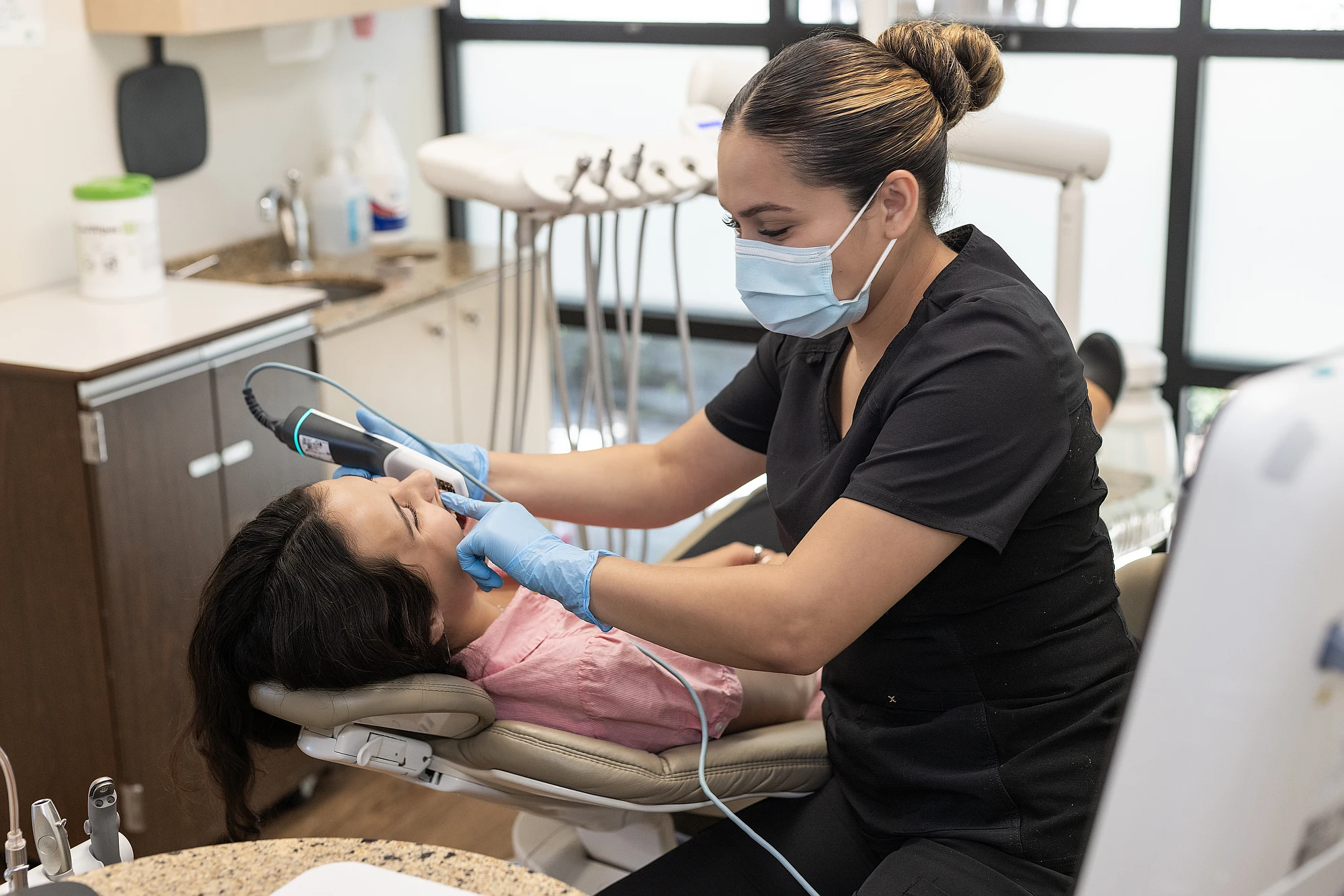
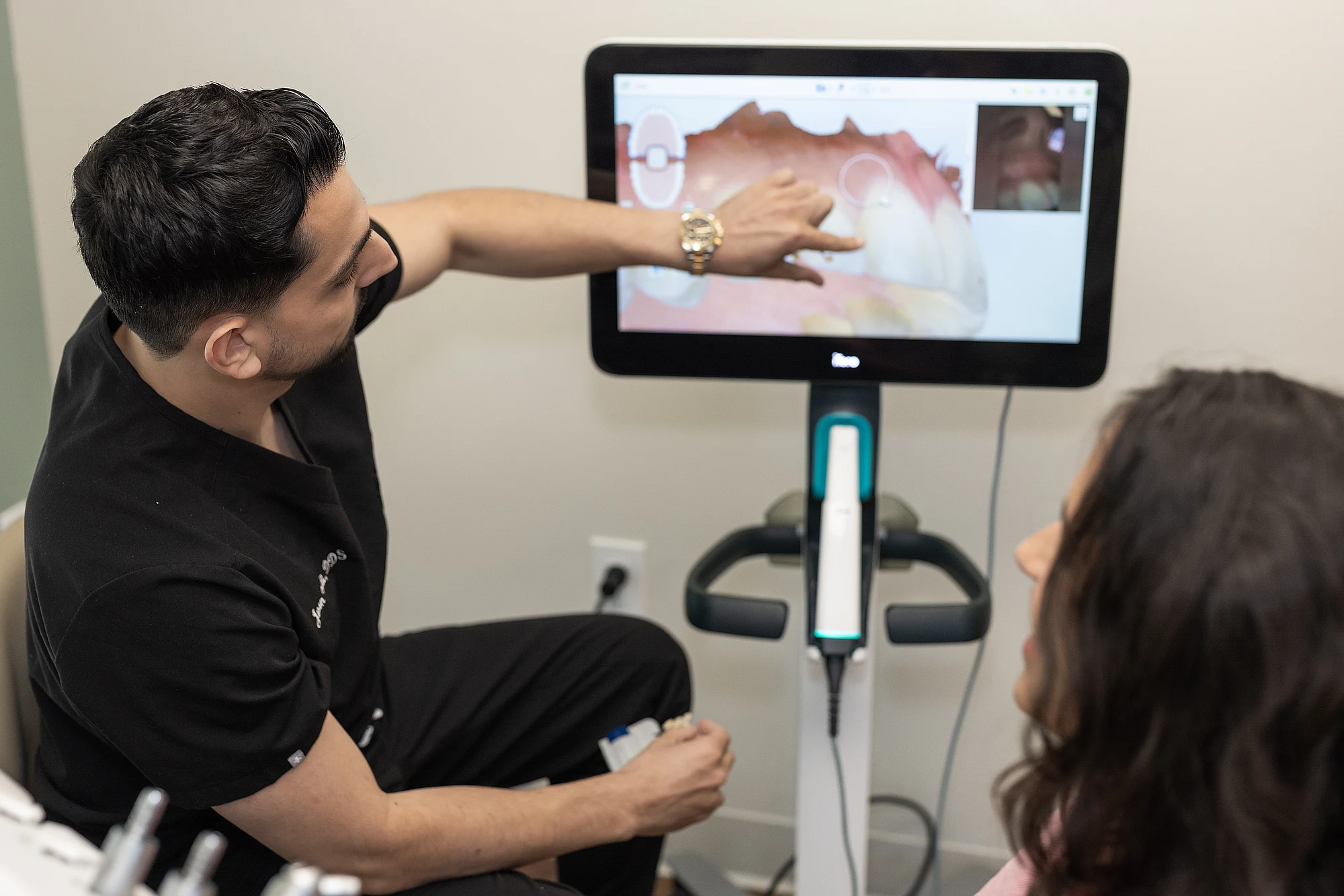
Measure periodontal pockets and review imaging and gum health
Treat affected areas with local anesthesia when appropriate
Re-evaluate healing and determine whether periodontal maintenance or additional therapy is needed
Technology that may support care: Ultrasonic Scalers.
Who May Be a Candidate for Scaling and Root Planing?
You may be a candidate if you have a concern such as periodontal pockets with subgingival calculus, gum inflammation associated with periodontal disease, bleeding and tissue changes related to bacterial buildup, or sites where bone or attachment loss has been identified. Candidacy also depends on the health of the teeth and gums, the amount and quality of supporting tooth or bone structure, your bite, medical considerations, and whether the expected benefit justifies treatment.
What Happens After Deep Cleaning?
Gum tissues are typically re-evaluated after an appropriate healing period. The dentist or hygienist looks at bleeding, pocket depth, plaque control, and tissue response. Some areas may improve significantly, while deeper or more complex sites may require additional periodontal treatment.
Long-Term Periodontal Control
Scaling and root planing treats active disease but does not make a patient permanently immune to recurrence. Periodontal maintenance, consistent home care, and management of individual risk factors are important parts of long-term stability.
The short answer
Scaling and root planing is a non-surgical deep-cleaning procedure used when periodontal disease has created deeper pockets and deposits below the gumline. The dental team measures periodontal pockets and reviews imaging, then treats the affected areas, with local anesthesia when appropriate, to remove bacterial buildup and calculus from the root surfaces. Healing is then re-evaluated to decide whether periodontal maintenance or additional therapy is needed.
Scaling and Root Planing FAQ
- What is scaling and root planing?
- Scaling and root planing is a non-surgical deep-cleaning procedure used when periodontal disease has created deeper pockets and deposits below the gumline. It targets bacterial buildup and calculus on root surfaces that cannot be adequately addressed with a routine cleaning. Combined with effective home care, it can reduce inflammation and provide a foundation for evaluating how the gums respond.
- How do I know if I need scaling and root planing?
- A periodontal evaluation, including pocket measurements and imaging, is the best way to know whether you need scaling and root planing. It may be recommended for periodontal pockets with calculus below the gumline, gum inflammation, bleeding, or sites where bone or attachment loss has been identified. The recommendation depends on your pocket depths, history, and current inflammation.
- Is scaling and root planing uncomfortable?
- Local anesthesia is used when appropriate so the areas being treated are numb. Treatment may be carried out over more than one visit depending on the extent of the deposits. The dental team can discuss what sensations and recovery are typical for your specific plan.
- How long does scaling and root planing take?
- The time scaling and root planing takes depends on how many areas are affected and the extent of the deposits, and treatment may be divided into more than one visit. The process involves measuring pockets, treating the affected areas, and re-evaluating healing afterward. After an evaluation, the dental team can outline the expected sequence and appointment length.
- What follow-up is needed after scaling and root planing?
- Gum tissues are re-evaluated after an appropriate healing period to check bleeding, pocket depth, plaque control, and tissue response. Some areas may improve significantly, while deeper or more complex sites may need additional periodontal treatment. Periodontal maintenance, consistent home care, and management of individual risk factors are important for long-term stability.
- Why schedule a consultation for scaling and root planing in Newbury Park?
- A consultation allows the dental team to measure your periodontal pockets, review imaging, and explain whether deep cleaning fits your gum health. Scaling and root planing treats active disease but does not make you immune to recurrence, so the plan also covers long-term maintenance. Treatment should be based on your individual findings rather than a generic recommendation.
Have Questions About Scaling and Root Planing?
Schedule a consultation to discuss your concerns, review your options, and determine whether scaling and root planing is appropriate for you.